Are buyers going to decide whether they love your Salem home before they ever set foot in it? In many cases, yes. If your buyer is coming from another state, your home has to be easy to understand, easy to trust, and easy to picture as both a property and a lifestyle. That is especially true in Salem, where many buyers are also weighing lake access, outdoor living, and the details that come with Lake Keowee-area ownership. This guide will show you how to prepare your home so out-of-state buyers can evaluate it with confidence. Let’s dive in.
Why Salem Sellers Need a Different Plan
Salem often functions like a remote-buyer market, especially for homes tied to Lake Keowee living. In 2024, the National Association of REALTORS reported that 36% of REALTORS said their clients moved to a different state. In the same research, online search played a major role, with 51% of buyers finding the home they purchased through online searches.
That matters because out-of-state buyers usually cannot pop by for multiple casual showings. They may search for weeks online, narrow their choices carefully, and visit only a handful of homes in person. Your listing needs to answer their biggest questions early, clearly, and honestly.
For many Salem properties, the buyer is not only comparing square footage and finishes. They are also evaluating lake lifestyle, outdoor usability, access, and property rules. If your home is in or near the Lake Keowee and Jocassee area, those details can shape how confident a remote buyer feels about moving forward.
Make the Home Easy to Picture
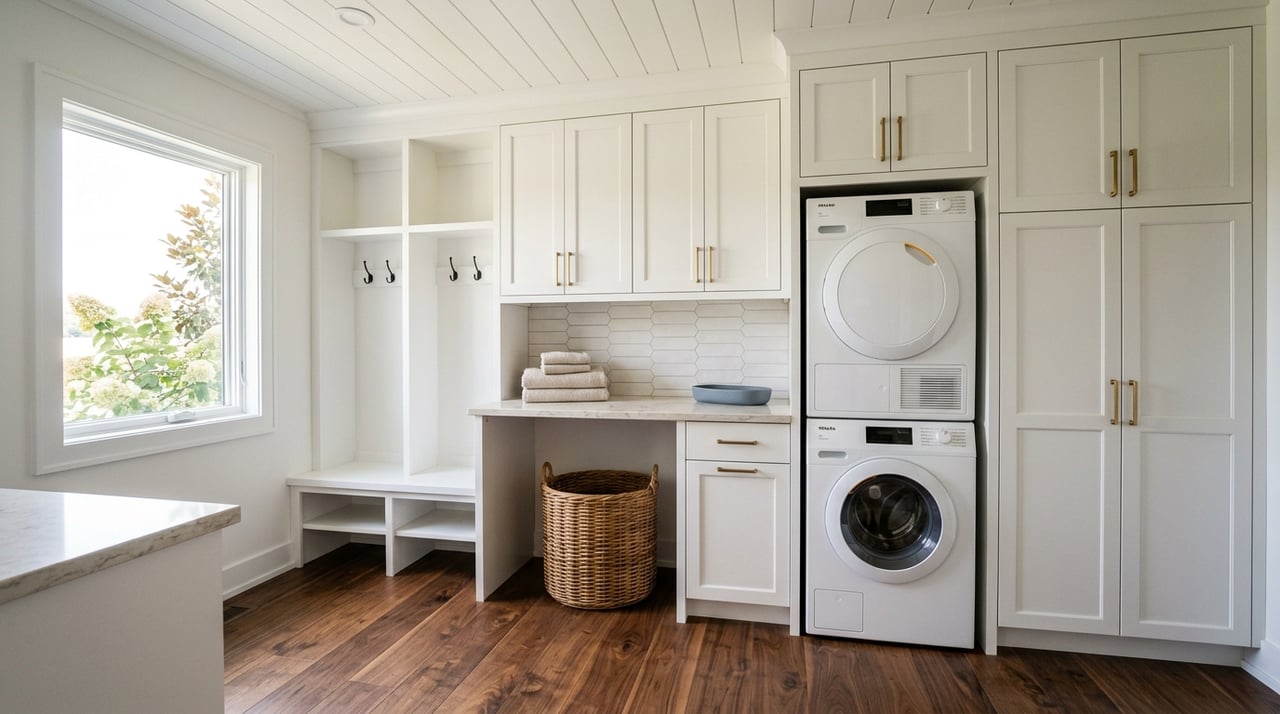
Before anything goes live, focus on the basics that help a buyer mentally move in. The National Association of REALTORS defines staging as cleaning, decluttering, repairing, depersonalizing, and updating the home so buyers can picture themselves in the space. For out-of-state buyers, that first impression often happens through photos and video.
Start with the items buyers notice right away:
- Deep clean every room
- Finish obvious repairs
- Reduce personal items and extra decor
- Organize closets and storage spaces
- Make mechanical rooms look accessible and maintained
- Tidy porches, patios, and outdoor seating areas
In Salem, outdoor spaces can carry just as much weight as indoor rooms. A screened porch, deck, fire pit area, or path to the shoreline should feel intentional and usable. If a remote buyer is trying to understand how they would spend a weekend or a full season at the home, those areas matter.
Prepare a Strong Digital First Impression
Out-of-state buyers depend heavily on listing media. According to 2024 NAR buyer research, photos were very useful for 66% of internet-using buyers, floor plans for 47%, virtual tours for 33%, neighborhood information for 32%, and videos for 21%.
That means your listing should do more than look pretty. It should help buyers answer practical questions they would normally sort out during repeated visits. The goal is to reduce uncertainty and help them feel informed before they book a trip.
Show the Rooms That Matter Most
Your photo set should clearly show how the home lives day to day. That includes the main living spaces, kitchen, bedrooms, baths, and any flex areas, but it should also go deeper for Salem buyers coming from out of state.
Make sure your marketing helps buyers understand:
- The approach to the home
- Parking and driveway layout
- Garage depth and storage
- Main view corridors
- Porch and deck placement
- Guest spaces
- Home office or flex rooms
- Basement or lake-level access, if applicable
For a lake-area property, the visual story should also show how the house connects to the outdoors. Buyers want to see where they will sit, store gear, host guests, and move between the home and the water.
Use Floor Plans and Virtual Tours Wisely
A floor plan can be one of the most useful tools for a remote buyer. It helps them understand bedroom separation, stair placement, outdoor access, and how guests would move through the home. Those details are hard to judge from photos alone.
Virtual tours and video can also help, especially when a buyer is narrowing options from another state. Still, the presentation should stay truthful. NAR notes that virtual staging can help a vacant home look more appealing online, but if the in-person experience feels very different, it can make the space harder to trust.
Gather Documents Before You List
A well-prepared Salem listing is not just clean and well photographed. It is also organized. Out-of-state buyers often move faster when they can review the key facts in one place.
In South Carolina, the owner must provide a completed and signed residential property condition disclosure statement before a real estate contract is signed, unless the contract says otherwise. The same disclosure materials also note that if the property is subject to covenants, conditions, restrictions, bylaws, rules, or is a condominium, an addendum should be attached.
That means your pre-listing packet should be ready before the home hits the market. If a buyer is trying to make decisions remotely, delays in paperwork can create hesitation.
What to Include in a Salem Seller Packet
For many Salem homes, especially lake-access and waterfront properties, it helps to assemble a digital packet with:
- Signed South Carolina property disclosure forms
- HOA or POA documents, if applicable
- Covenants, conditions, and restrictions
- Rules related to rentals, if they apply
- Survey or plat information
- Parcel number and legal description
- Recent property tax details
- Utility information
- Maintenance records you already have available
When this information is easy to review, buyers can feel more comfortable taking the next step. It also helps your transaction stay organized once you are under contract.
Be Ready for Waterfront Questions
If your home is on or near Lake Keowee, buyers from out of state will often have a different set of questions than local buyers. They may not know how shoreline rules work, what documents matter, or what approvals they should ask about.
In Oconee County, the Lake Keowee and Jocassee overlay applies to shoreline areas within 750 feet of the full pond contour. The county says the overlay is intended to protect water quality and natural beauty. The zoning code also states that certain waterfront parcels have a 25-foot natural vegetative buffer, and some shoreline stabilization and buffer work fall under county review procedures.
Have Waterfront Records Ready
If your property is waterfront, gather documents and visuals that help answer the most common concerns up front. This can help avoid confusion after a buyer travels in for a showing or inspection.
Useful items include:
- Dock approvals n- Shoreline permits
- Survey or plat records
- Recent shoreline photos
- Information about access to the shoreline
- Notes on any visible shoreline improvements
Duke Energy also points owners and buyers to lake levels, shoreline management, and permits for shoreline activities. For a remote buyer, knowing you already have these records assembled can build trust quickly.
Address Septic and Well Details Early
If your Salem home uses septic, a private well, or both, expect buyers to ask about it. For out-of-state buyers, these systems may be less familiar, so clear records matter.
South Carolina's Department of Environmental Services maintains septic permitting and site evaluation resources. The agency also states that private well owners are responsible for testing and treating their own drinking water. It further notes that its residential well monitoring tests are not recommended for real estate transactions.
The simplest way to prepare is to gather what you already have and be ready to share transaction-specific information if it has been completed. A buyer does not need guesses. They need a clean paper trail.
Helpful Septic and Well Records
If available, gather:
- Existing septic permit records
- Site evaluation records
- Well information and maintenance history
- Any transaction-specific third-party testing already completed
- Service records you have on hand
This step can save time once the buyer begins inspections. It also helps reduce avoidable back-and-forth during due diligence.
Keep Inspection Logistics Simple
Out-of-state buyers often have tighter timelines once they go under contract. Because they may be coordinating from a distance, the inspection period needs to run smoothly.
South Carolina disclosure guidance makes clear that the buyer still has the obligation to inspect the physical condition of the property. That makes seller preparation especially important. If the home is accessible, utilities are on, and supporting records are easy to find, inspections are easier to schedule and complete.
A few simple steps can make a big difference:
- Keep utilities on when needed
- Provide clear access instructions
- Make sure gates, garages, and storage areas are accessible
- Be ready for appraisers, inspectors, and contractors
- Keep key documents in one digital folder
For remote buyers, every extra delay can feel bigger than it would for a local buyer. A smooth inspection process helps maintain confidence.
Organize Closing Details in Advance
Remote closings work best when the file is clean and complete early. In Oconee County, the Register of Deeds records legal documents into the public record, and the South Carolina Judicial Branch states that proper recording gives notice and establishes priority of claims against the property.
Oconee County's Assessor also offers online property records searchable by address, owner name, parcel number, map, sales search, subdivision, and fire district. Buyers can verify a lot of public-record details before they arrive. If your listing information matches those records cleanly, you reduce the odds of last-minute questions.
South Carolina's deed recording fee is $1.85 for each $500 of realty value, with $1.30 going to the state portion and 55 cents to the county portion. While sellers do not need to manage the recording process alone, having the legal description, parcel number, buyer and seller names, and supporting documentation aligned ahead of closing can help reduce corrections.
Focus on Clarity, Not Just Curb Appeal
When your buyer is coming from out of state, the goal is not simply to make your Salem home look attractive. The goal is to make it easy to understand. Clean presentation, strong visuals, organized disclosures, and lake-specific paperwork can help your property stand out for the right reasons.
That is especially important in Salem and the Lake Keowee area, where buyers are often comparing not just homes, but lifestyles. When you remove friction and answer the practical questions early, you make it easier for serious buyers to move forward with confidence.
If you are getting ready to sell in Salem or anywhere around Lake Keowee, working with a local expert can make the process smoother from staging to virtual showings to closing coordination. To talk through a smart prep plan for your property, connect with Amy Twitty.
FAQs
What should Salem sellers do first before listing to out-of-state buyers?
- Start with cleaning, decluttering, obvious repairs, and organizing your paperwork so buyers can evaluate the home quickly and clearly.
What documents matter most for a Salem lake-area home sale?
- The most important items often include the South Carolina property disclosure, HOA or POA documents, covenants and restrictions, survey or plat information, and any dock or shoreline approvals.
What waterfront details do out-of-state buyers ask about in Salem?
- Buyers commonly ask whether the property is subject to lake-area overlay rules, whether there are dock or shoreline permits, and how the home accesses the water.
What should Salem sellers share if the home has septic or a private well?
- If available, share septic permit records, site evaluation records, well information, maintenance history, and any transaction-specific third-party testing already completed.
Why do floor plans and virtual tours matter for Salem buyers relocating from out of state?
- They help buyers understand layout, room flow, outdoor access, and everyday livability before traveling for an in-person visit.
